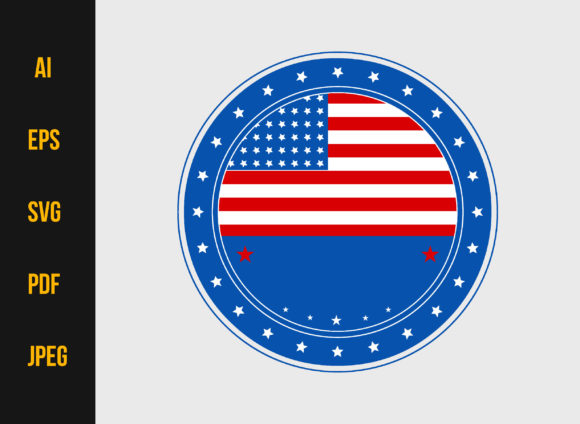
American Independence Day Flag: A Strategic Symbol for Branding and Communication
The American Independence Day Flag is more than a visual representation of national pride; it is a powerful tool for communication, branding, and strategic positioning. Whether used in marketing campaigns, creative projects, or public events, the flag serves as a symbol of freedom, patriotism, and historical significance. Understanding its strategic value can help professionals across industries make informed decisions about when and how to incorporate it into their work.
What Is the American Independence Day Flag?
The American Independence Day Flag, often associated with the United States flag, is a design that highlights the nation's history and values. It typically features the iconic red, white, and blue colors, along with stars and stripes that represent the original 13 colonies. Variations of the flag may include elements like a grunge aesthetic, vintage textures, or gradient effects, making it adaptable for different creative contexts.
When paired with elements such as an eagle, a badge, or a rounded flag design, the American Independence Day Flag becomes a versatile illustration suitable for graphic design, digital media, and print materials. Its appeal lies in its ability to evoke emotion while maintaining a strong visual identity.
Strategic Use of the American Independence Day Flag
For entrepreneurs, marketers, and creators, the American Independence Day Flag offers a unique opportunity to align their brand with national sentiment. When used thoughtfully, it can enhance messaging, build trust, and resonate with audiences who value patriotism and heritage.
Consider the following strategic applications:
- Brand Identity: Incorporating the flag into logos or packaging can reinforce a company’s connection to American values, especially for businesses targeting domestic markets.
- Marketing Campaigns: During July 4th or other patriotic events, the flag can be used to create themed promotions, social media content, or advertisements that tap into seasonal enthusiasm.
- Event Promotion: For festivals, parades, or community gatherings, the flag can serve as a visual anchor, helping to communicate the purpose and tone of the event.
- Artistic Expression: Designers and illustrators can use the flag as a foundation for creative works, blending traditional symbols with modern aesthetics to produce visually striking pieces.
When to Use the American Independence Day Flag
The timing and context of using the American Independence Day Flag are crucial to its effectiveness. While it is most commonly associated with Independence Day on July 4th, its relevance extends beyond that single date. Here are some scenarios where it can be strategically deployed:
- Historical Anniversaries: Commemorating key moments in American history, such as the signing of the Declaration of Independence, can be enhanced with the use of the flag.
- Celebrations of Freedom: Events focused on liberty, democracy, or civic engagement can benefit from the flag’s symbolic power.
- Community Initiatives: Local organizations or nonprofits may use the flag to promote causes related to education, veterans, or public service.
- Product Launches: Brands launching new products or services can leverage the flag to emphasize quality, tradition, or American craftsmanship.
How to Approach the American Independence Day Flag
Before integrating the American Independence Day Flag into your work, consider the following approach:
- Define Your Objective: Determine what you hope to achieve—whether it’s increasing brand visibility, fostering emotional connections, or reinforcing a message of unity.
- Understand Your Audience: Tailor the use of the flag to the preferences and values of your target demographic. Not all audiences will respond the same way to patriotic imagery.
- Choose the Right Design: Select a version of the flag that aligns with your brand’s style. Options like grunge flags, vintage designs, or gradient illustrations can add depth and uniqueness.
- Ensure Cultural Sensitivity: Be mindful of the flag’s symbolism and avoid using it in ways that could be perceived as disrespectful or trivial.
Key Considerations Before Relying on the American Independence Day Flag
While the American Independence Day Flag is a potent symbol, it is not a one-size-fits-all solution. Before relying on it, evaluate the following factors:
- Contextual Relevance: Does the flag align with the message you want to convey? Using it without clear intent can dilute its impact.
- Competitive Landscape: Are other brands or organizations using similar imagery? Differentiation is key to standing out in crowded markets.
- Legal and Ethical Implications: Ensure that your use of the flag complies with any applicable laws or guidelines, particularly if it involves commercial activity.
- Long-Term Value: Will the flag continue to resonate with your audience over time, or is it a short-term tactic?
Potential Risks of Unintentional Use
Without a clear strategy, the American Independence Day Flag can lead to miscommunication or unintended consequences. For example, using it inappropriately during sensitive times or in contexts that contradict its meaning can damage a brand’s reputation. Additionally, overuse or generic application may cause the flag to lose its authenticity and emotional weight.
To avoid these risks, focus on intentional placement and meaningful integration. The goal should be to enhance your message, not overshadow it.
Practical Examples of Effective Use
Here are a few real-world examples of how the American Independence Day Flag has been effectively utilized:
- Small Business Marketing: A local bakery might use the flag in its storefront design during July to attract customers looking for patriotic-themed treats.
- Nonprofit Fundraising: An organization supporting veterans could feature the flag in its campaign materials to highlight its mission and connect with donors.
- Graphic Design Projects: Illustrators may create custom flag designs for clients, blending traditional elements with modern art styles to meet specific creative goals.
- Corporate Communications: A company might incorporate the flag into its annual report or website to emphasize its commitment to American values and innovation.
Planning Tips for Strategic Implementation
To maximize the benefits of the American Independence Day Flag, follow these planning tips:
- Map Out Key Dates: Identify opportunities throughout the year when the flag can be used effectively, such as during holidays, anniversaries, or seasonal campaigns.
- Develop a Visual Strategy: Create a cohesive look and feel that integrates the flag with other branding elements, ensuring consistency across all platforms.
- Test and Refine: Experiment with different designs and placements, then analyze the results to determine what resonates best with your audience.
- Stay Informed: Keep up with cultural trends and changes in public sentiment to ensure your use of the flag remains relevant and respectful.
Conclusion: Embracing the American Independence Day Flag Intentionally
The American Independence Day Flag is a powerful symbol that, when used intentionally, can enhance communication, strengthen brand identity, and foster deeper connections with audiences. By understanding its strategic value, considering the right context, and avoiding common pitfalls, professionals can leverage this iconic image to achieve meaningful results.
Whether you’re designing a new product, launching a campaign, or creating artistic work, the American Independence Day Flag offers a timeless opportunity to express values, inspire action, and build lasting impact. Approach it with care, clarity, and creativity, and you’ll unlock its full potential.