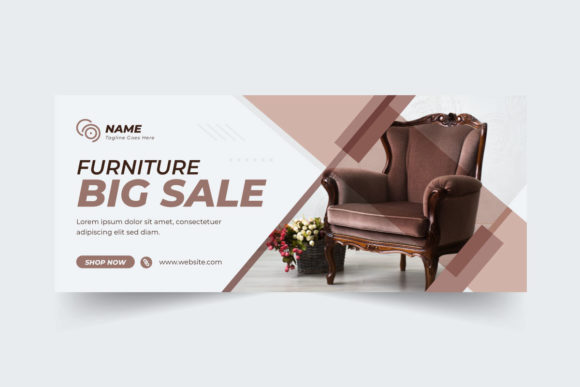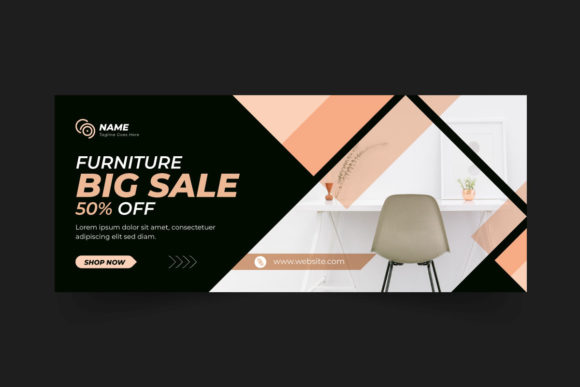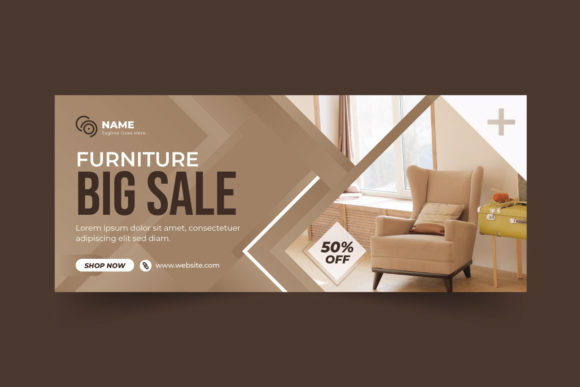
Furniture Web Banner and Facebook Cover
Furniture web banners and Facebook covers are essential visual tools for anyone looking to enhance their online presence. Whether you're a small business owner, an interior designer, or a marketer, these assets can make a significant difference in how your brand is perceived. They serve as the first point of contact for many users, making it crucial to get them right.
Creating effective furniture web banners and Facebook covers requires attention to detail, design principles, and technical specifications. Understanding the features that come with these assets can help you choose the right options for your needs. Let's explore what makes these designs valuable and how they can support your goals.
Understanding the Value of Furniture Web Banners and Facebook Covers
A well-designed furniture web banner can capture attention, convey your message clearly, and encourage engagement. It acts as a digital storefront, showcasing your products or services in a visually appealing way. Similarly, a Facebook cover is more than just a background—it's an opportunity to tell your brand's story and create a lasting impression.
For professionals in the furniture industry, these assets can help establish credibility and professionalism. For entrepreneurs, they can streamline marketing efforts and improve brand recognition. Even hobbyists and creatives can benefit by using these tools to present their work in a polished manner.
When designing a furniture web banner or Facebook cover, it's important to consider the platform's requirements. These assets need to be optimized for different screen sizes, resolutions, and formats to ensure they look great on any device. This is where features like 300 DPI and RGB color become essential.
Key Features That Enhance Design Flexibility
The Furniture Web Banner and Facebook Cover comes with several features that make it versatile and user-friendly. One of the most important is the 300 DPI resolution, which ensures high-quality output suitable for both digital and print use. This level of detail is especially useful if you plan to use the design in multiple formats or share it across different platforms.
The RGB color mode is another key feature. It provides vibrant, accurate colors that look great on screens, making it ideal for digital marketing. However, it's worth noting that RGB is not suitable for print, so if you're planning to use the design in a physical format, you may need to convert it to CMYK.
One of the standout benefits of this design package is that the image is not included. This allows for greater customization, as you can easily replace the placeholder with your own content. It also gives you the freedom to adapt the design to fit your specific needs without being limited by pre-set visuals.
Easy Editing and Customization Options
Many users appreciate the ease of editing when working with furniture web banners and Facebook covers. The ability to modify text, colors, and layout without advanced design skills can save time and reduce costs. This is particularly beneficial for small business owners or marketers who may not have access to professional designers.
The use of free fonts further enhances the flexibility of these designs. You can experiment with different typography styles to match your brand's personality while maintaining a clean and professional look. This also ensures that your design remains accessible and easy to update over time.
The 100 customizable options provide a wide range of possibilities for personalization. Whether you're looking to highlight a new product line, promote a sale, or simply refresh your brand identity, these features allow you to tailor the design to your unique vision.
Flat Design and File Formats for Versatility
The inclusion of a flat design file adds another layer of functionality. Flat design is known for its simplicity, clarity, and modern aesthetic, making it a popular choice for web and social media graphics. It reduces visual clutter and ensures that your message is communicated effectively, even on smaller screens.
Supporting multiple file formats such as EPS and JPEG gives you more options for usage. EPS files are ideal for vector-based editing, allowing you to scale the design without losing quality. JPEG files, on the other hand, are perfect for quick sharing and embedding on websites or social media platforms.
This combination of file types ensures that you can use the design in various contexts, whether you're creating a website header, a social media post, or a printed brochure. It also makes it easier to collaborate with others, as different team members can work with the file type that suits their workflow best.
Who Benefits Most from These Assets?
Entrepreneurs and small business owners often find these designs invaluable. They can use them to create a consistent brand image across all online channels, improving customer trust and recognition. For example, a furniture retailer might use a custom web banner to showcase their latest collection, while a Facebook cover could highlight their store hours and contact information.
Interior designers and creative professionals can also benefit by using these assets to present their work in a more engaging way. A well-designed banner or cover can serve as a portfolio piece, helping to attract potential clients and demonstrate their expertise.
Marketers and bloggers may find these tools useful for maintaining a strong online presence. By using high-quality, customizable designs, they can keep their content visually appealing and aligned with their brand guidelines. This helps to build a more cohesive and professional image, which can lead to better engagement and conversions.
Considerations and Best Practices
While these designs offer many advantages, it's important to consider your specific needs before making a choice. If you're looking for something highly detailed or require specific branding elements, you may need to invest in a custom design. Additionally, some users may prefer to work with templates that offer more flexibility or include stock images.
It's also a good idea to test your designs across different devices and platforms to ensure they look great everywhere. Pay attention to how the banner or cover appears on mobile phones, tablets, and desktops, as this can affect user experience and engagement.
By understanding the features and benefits of Furniture Web Banner and Facebook Cover, you can make informed decisions that support your goals. Whether you're looking to improve your online presence, streamline your marketing efforts, or express your creativity, these assets can play a key role in your success.